Tips for an organized Samsung refrigerator
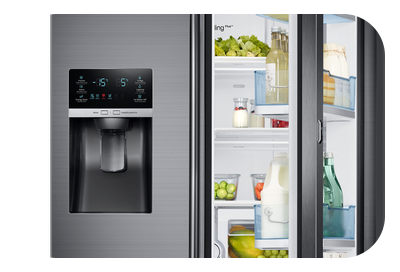
How to Organize Your Samsung Refrigerator for Maximum Freshness
Organizing your Samsung refrigerator correctly ensures food stays fresh longer and reduces waste. Learn how to maximize storage efficiency, maintain optimal temperatures, and avoid common mistakes that lead to spoilage.
1. Why Does Fridge Organization Matter?
Proper organization in your Samsung refrigerator directly impacts food safety, freshness, and energy efficiency. Different zones within the fridge have varying temperature levels, which affect how long food lasts. Understanding these zones helps you store items in the right places to prevent spoilage and maintain quality.
2. What Should I Store in the Fridge Door?
The door is the warmest part of your Samsung refrigerator due to frequent exposure to room temperature air when opened. Only store items that don't require extreme cold here:
- Condiments, cooking oil
- Butter, water
- Juice, soda
3. Where Should I Place Food on the Upper Shelves?
The upper shelves are slightly warmer than the lower ones, making them ideal for foods that need to stay cool but not frozen. Store these items here:
- Jam and jelly, peanut butter
- Cheese, yogurt
- Leftovers, snacks
4. What Belongs on the Lower Shelves?
The lower shelves are the coldest part of your Samsung refrigerator, perfect for perishable items that spoil quickly:
- Milk
- Eggs
- Raw fish, meat, and poultry
5. How Should I Use the Crisper Drawers?
Crisper drawers allow you to control humidity levels for fruits and vegetables. Adjust settings based on what you're storing:
Low-Humidity Drawer:
- Mushrooms, peppers, summer squash, apples
- Ripe pears, ripe avocados, peaches, melon
High-Humidity Drawer:
- Herbs, cabbage, broccoli
- Green onions, leafy greens
6. Which Foods Should Not Be Refrigerated?
Some foods lose quality or texture when stored in the fridge. Avoid refrigerating these items:
- Bananas, bread, coffee, olive oil
- Onions, potatoes, honey, berries
7. Additional Tips for Better Fridge Organization
- Store eggs in their original carton to prolong freshness.
- Place meat on trays or in sealed bags to prevent drippings from contaminating other foods.
- Freeze bread to extend its shelf life for several weeks.
- Use a small lazy Susan for easy access to condiments and sauces.
- Cool large leftovers quickly by dividing them into smaller containers.
- Keep strong-smelling foods in airtight containers to avoid odor transfer.
- Store leftovers at eye level to remember to consume them before they spoil.
8. How Should I Organize the Freezer?
An organized freezer maximizes space and preserves food quality. Follow these guidelines:
- Avoid storing highly perishable items on the freezer door due to frequent exposure to warm air.
- Use the door for bread, ice packs, butter, flour, or nuts.
- Store non-leaky items like bread, baked goods, fruits, and vegetables on the top shelf.
- Place potentially leaky items like meat, fish, soups, sauces, and prepared meals on the bottom shelf to prevent contamination.
9. Supported Samsung Refrigerator Models
These tips apply to most Samsung refrigerator models, including French Door, Side-by-Side, and Top-Freezer designs. For specific features like adjustable shelves or humidity-controlled crispers, refer to your user manual.
Related Samsung Support Topics
Thank you for your feedback!
Please answer all questions.